CS / EN
Tomáš Škrdlant

Tomáš Škrdlant

Documentary Director & Essayist

Tomáš Škrdlant — curriculum vitae

Born in 1943, he studied film directing at FAMU from 1962 to 1966. During the cultural liberalization of 1968, he made three documentary films at the Army Film Studio (ČAF): POTOMCI (portraits of nonconformist young people of the time, co-authored with Angelika Hannauerová), POZŮSTALOST 38 (a meeting of the builders and defenders of the border fortifications thirty years later), and MOST (the genius loci of contemporary Ostrava confronted with the recollections of its liberator in 1945). In 1994, the authors of POTOMCI followed it with the documentary VLASATÝ STÁT UPROSTŘED HOLOHLAVÉ REPUBLIKY for Film & Sociology.

During the years of communist censorship (the so-called normalization), he worked primarily on television documentaries about sport and motoring, where it was easier to find problematic subjects without a direct political context: doping, the ecological effects of individual motoring, the private car as a social fetish, and more.

Since 1990, he has made more than 100 authored documentaries, mainly on ecological, psychological, and sociological themes, for Czech Television, Original Videojournal, Channel Four TV, the Film & Sociology Association, and other independent productions.

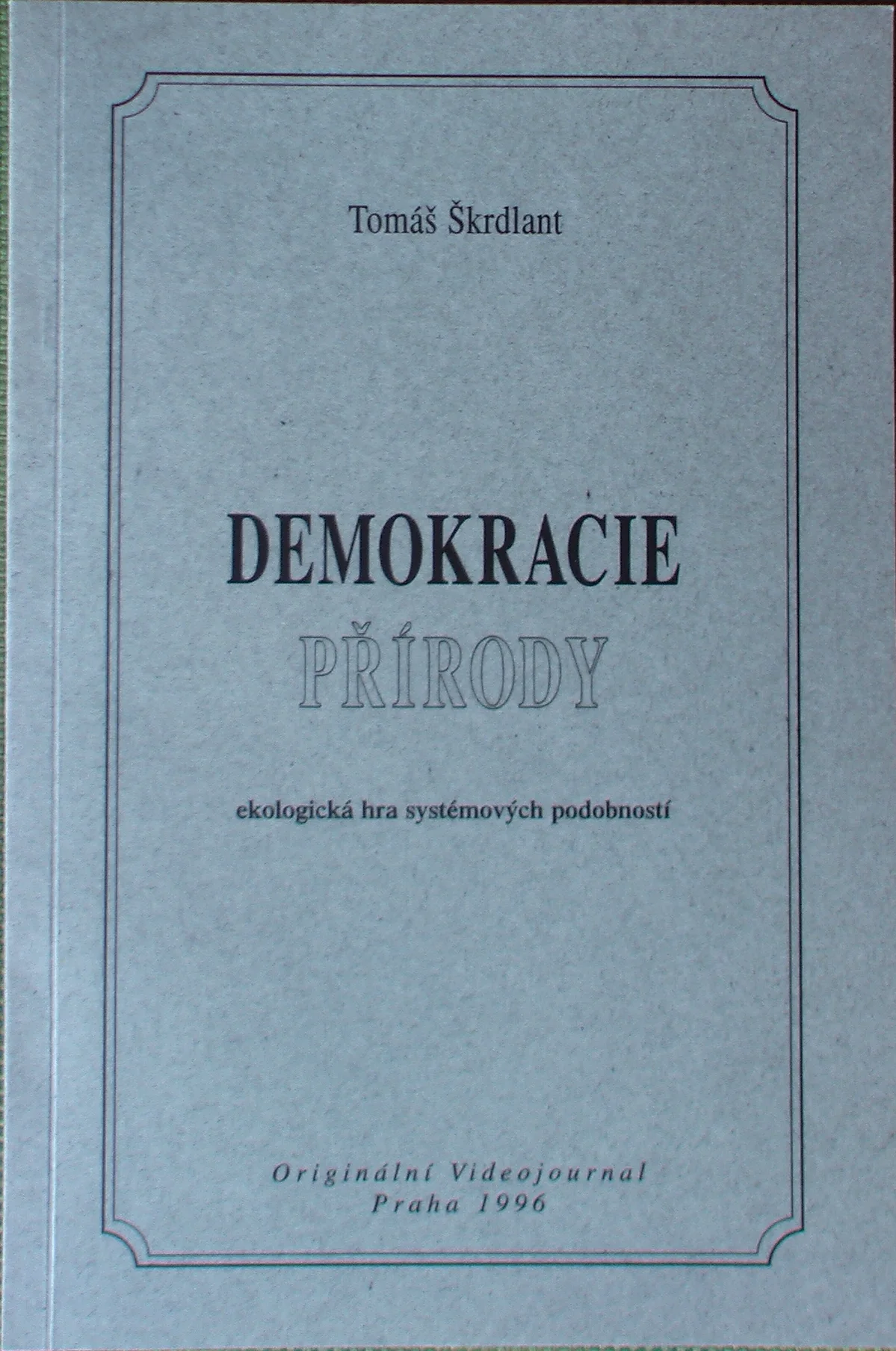
In 1996, he published the book Demokracie přírody and, at Masaryk University in Brno, led seminars on nonlinear thinking until 2009.

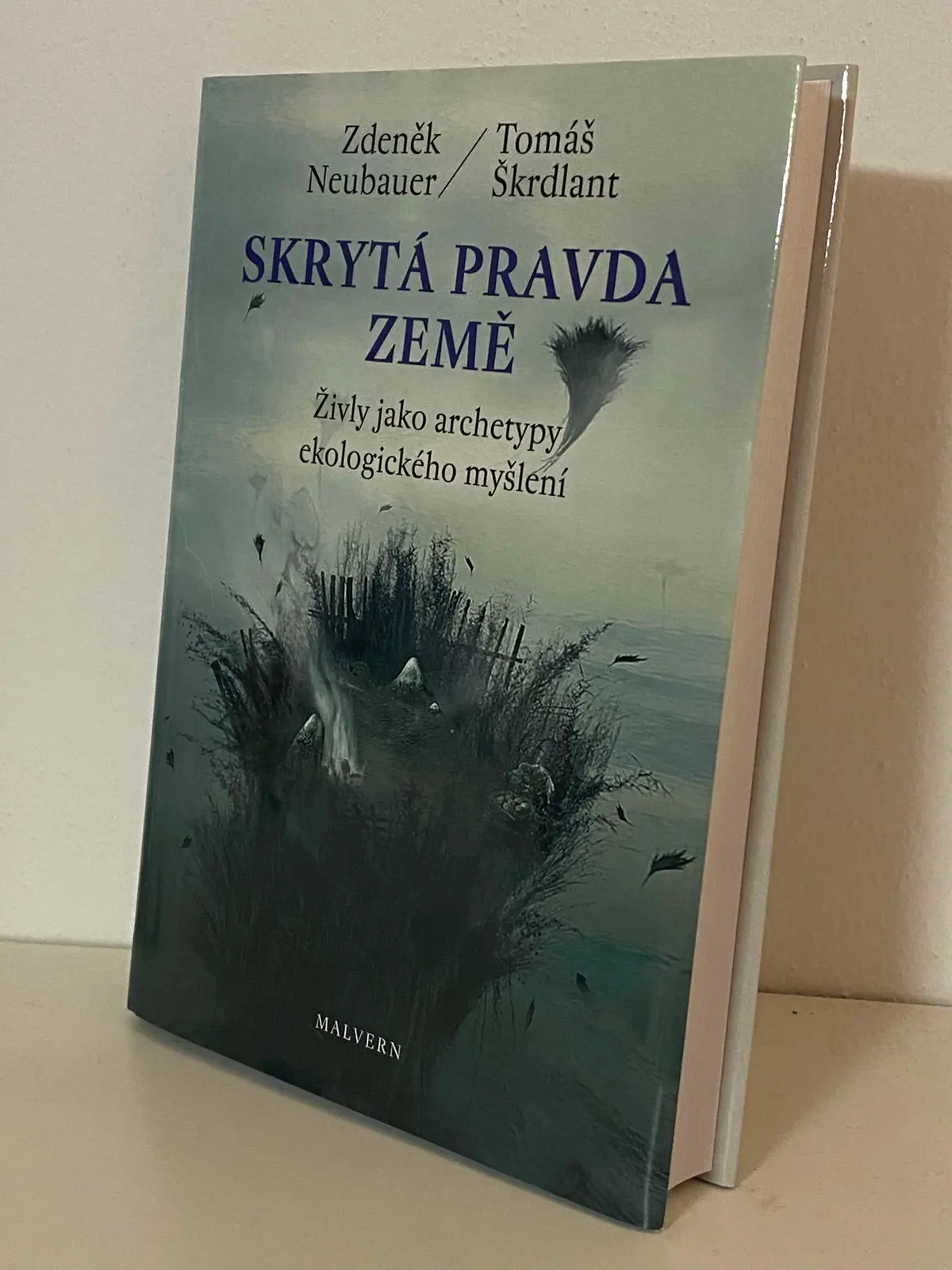
He co-authored the book Skrytá pravda země — Živly jako archetypy ekologického myšlení (Zdeněk Neubauer, Tomáš Škrdlant, Mladá Fronta, Kolumbus edition, 2005; second revised edition, Malvern, 2021).
Born: 1943

Documentary filmmaker, publicist and writer

tomas.skrdlant@ecn.cz

Filmography

… films, 1964–2023

Loading filmography…

Books

2 books

The Hidden Truth of Earth

The Hidden Truth of Earth

Elements as Archetypes of Ecological Thinking

Fire clashes with water, is revived by air, and rests upon the earth. The book invites us to open our imagination to the language of the elements – a language whose concepts and images we already possess. The elements act upon our senses: sight perceives the light of fire, hearing the rumble of the earth. They are simple forms of corporeality that are truly material.

Democracy of Nature

Democracy of Nature

An Ecological Game of Systemic Similarities

The title suggests a seemingly paradoxical connection between the natural world and organized human society. The book seeks similarities, connections, and relationships between different levels of reality, including the linguistic level.

Essays

Texts on documentary, ecology, and the meaning of reality

EcologyPhilosophyPolitics

A reflection on the mutual relationship between ecology as a systemic science and ideology as a closed thought system.

Read essay →
MediaSocietyPsychology

Associations on the triad of power, the information-based worldview, and the influence of television on the perception of violence in society.

Read essay →
PhilosophyEthicsHealth & Care

An essay on the ethical questions of saving premature babies and the idea that the meaning of life cannot be judged from the outside.

Read essay →
EcologyPhilosophyPsychology

A deep insight into our relationship with water, not just as a chemical compound, but as a living entity and an archetype of our mind.

Read essay →
DocumentaryPhilosophyTheory

Excerpts of reflections on the inimitable structure of reality, the transience of time, and why authentic documentary is often more powerful than commercial fiction.

Read essay →